Short sales, South Placer market trends, mortgage rates, ranch property and three featured homes.ALEX DYER | REAL ESTATEPLACER & SACRAMENTO COUNTIES · SEPTEMBER 24, 2026This week's market

Dated: November 19 2024
Views: 127
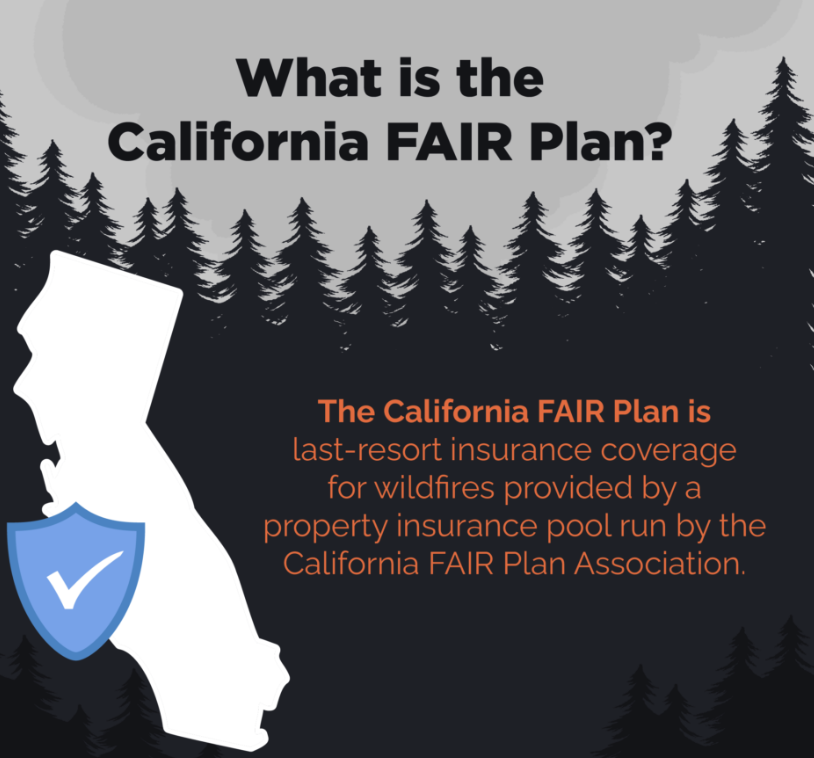
As a real estate expert in the Sacramento metro area, I know that property insurance is a vital yet sometimes overlooked part of home and business ownership. In California, securing insurance can be especially challenging for properties located in high-risk areas prone to wildfires or other natural disasters. That’s where the California FAIR Plan comes in.
Recently, there has been a noteworthy update to the FAIR Plan: it now includes coverage for commercial real estate. This expansion means more property owners, including those with businesses, have access to critical insurance options when traditional carriers decline to provide coverage. Let’s explore what this change means for homeowners, business owners, and anyone navigating the California real estate market.
The California FAIR Plan (Fair Access to Insurance Requirements) was established to ensure property owners in high-risk areas have access to basic insurance coverage. Originally designed for residential properties, it serves as a safety net for those unable to secure coverage through the traditional insurance market.
Although the FAIR Plan does not aim to replace comprehensive policies offered by private insurers, it provides a crucial alternative when those options are unavailable. This program ensures that homeowners and commercial property owners alike can protect their investments.
Eligibility for the FAIR Plan remains focused on property owners who have been denied coverage by at least two insurance providers. Historically, the FAIR Plan was limited to homeowners, but with the recent inclusion of commercial real estate, business owners can now take advantage of this safety net.
Whether you own a single-family home, an apartment complex, or a small business property, the FAIR Plan can help bridge the gap if traditional insurance is out of reach.
The California FAIR Plan provides coverage for basic risks, including:
For homeowners, this means protection against the most catastrophic risks, especially in wildfire-prone areas. For commercial property owners, this new coverage ensures that business assets are also safeguarded under similar terms.
However, it’s important to note the limitations of the FAIR Plan:
The inclusion of commercial properties in the FAIR Plan is a game-changer for business owners operating in high-risk areas. Previously, businesses in wildfire zones or other high-risk regions struggled to find adequate insurance, putting their operations and investments at significant financial risk.
Now, with the FAIR Plan’s expanded scope, commercial property owners can:
This expansion also has implications for real estate investors. If you own or are considering purchasing commercial properties in California, this development provides a safety net that may influence your decision to invest in high-risk zones.
While the FAIR Plan offers critical coverage, it’s not without its challenges. Here are some points to keep in mind:
For homeowners and business owners alike, insurance plays a vital role in protecting your investments. The expansion of the FAIR Plan to include commercial properties reflects the growing need for accessible insurance options in a state where wildfire risks and natural disasters continue to pose challenges.
As a real estate professional, I’ve seen how insurance issues can impact both residential and commercial transactions. Buyers and sellers in high-risk areas must carefully evaluate insurance options like the FAIR Plan when making property decisions. Whether it’s securing financing or ensuring long-term affordability, understanding the insurance landscape is a key part of the process.
If you’re considering the FAIR Plan, here are a few steps to help you navigate the process:
Whether you’re a homeowner, a business owner, or both, the California FAIR Plan provides an essential safety net for protecting your assets. While it’s not a perfect solution, it can make a significant difference when traditional insurance isn’t an option.
If you have questions about how the FAIR Plan applies to your property—or if you’re navigating a real estate transaction and want to understand how insurance impacts the process—reach out to me. I’m here to help you make informed decisions and create a strategy that works for your unique situation.
Have you had experience with the California FAIR Plan? Are you curious about how these updates could impact your property investments? Share your thoughts in the comments below or contact me directly. Let’s work together to ensure your property is protected.

If you're in the market for a home, you can trust the experienced professionals at eXp Realty of California. We are dedicated to providing superior service and expertise to help you achieve your real ....
Short sales, South Placer market trends, mortgage rates, ranch property and three featured homes.ALEX DYER | REAL ESTATEPLACER & SACRAMENTO COUNTIES · SEPTEMBER 24, 2026This week's market
Sacramento Housing Market • Distressed Property ReportSacramento Short Sales Are Rising in 2026 — Here’s What the Numbers Really ShowShort sales are showing up again nationally and
Weekly Market Report · South Placer CountyRoseville, Rocklin & Lincoln Real Estate Market ReportWeek of September 17 – 23, 2026 · Prepared by Alex Dyer, Your
Living in Placer CountySearch land and ranch listings Book a callLand & Ranch Guide, September 2026How Much Acreage Do You Need? Sizing Your Dream Ranch PropertyStart with the life you want, not
Additional:
915 Highland Pointe Dr. Ste 250Should you require assistance in navigating our website or searching for real estate, please contact our offices at 916-318-3487.
CA License # 01239383

 All measurements and all calculations of area are approximate. Information provided by Seller/Other sources, not verified by Broker. All interested persons should independently verify accuracy of information. Provided properties may or may not be listed by the office/agent presenting the information. Data maintained by MetroList© may not reflect all real estate activity in the market.
All real estate content on this site is subject to the Federal Fair Housing Act of 1968, as amended, which makes it illegal to advertise any preference, limitation or discrimination because of race, color, religion, sex, handicap, family status or national origin or an intention to make any such preference, limitation or discrimination.
MetroList CA data last updated: September 26, 2026 5:32 AM UTC Terms of Use.
Vendor data provided by Inside Real Estate, LLC.
All measurements and all calculations of area are approximate. Information provided by Seller/Other sources, not verified by Broker. All interested persons should independently verify accuracy of information. Provided properties may or may not be listed by the office/agent presenting the information. Data maintained by MetroList© may not reflect all real estate activity in the market.
All real estate content on this site is subject to the Federal Fair Housing Act of 1968, as amended, which makes it illegal to advertise any preference, limitation or discrimination because of race, color, religion, sex, handicap, family status or national origin or an intention to make any such preference, limitation or discrimination.
MetroList CA data last updated: September 26, 2026 5:32 AM UTC Terms of Use.
Vendor data provided by Inside Real Estate, LLC.
