Short sales, South Placer market trends, mortgage rates, ranch property and three featured homes.ALEX DYER | REAL ESTATEPLACER & SACRAMENTO COUNTIES · SEPTEMBER 24, 2026This week's market

Dated: April 11 2025
Views: 140
Recessions. Just the word can make your stomach do a little flip, right? They’re those economic slumps that seem to hit everything—your job, your wallet, even the price of your dream house. But what really happens to housing prices, mortgage rates, and the economy during a recession? Should you be eyeing that cute bungalow down the street or holding tight to your cash? Let’s break it all down, piece by piece, so you can navigate these choppy waters like a pro.
What Is a Recession, Anyway?
Picture the economy as a big, bustling party. A recession is when the music slows, people stop dancing, and some folks even head for the exits. Technically, it’s when the economy shrinks—gross domestic product (GDP) declines for two straight quarters. Businesses make less money, people spend less, and the whole vibe gets… well, a bit gloomy.
Key Characteristics of a Recession
What’s the telltale sign of a recession? Unemployment spikes, for one. People lose jobs, or companies freeze hiring. Consumer spending takes a nosedive because, let’s face it, when you’re worried about your paycheck, you’re not splurging on a new couch. Stock markets often wobble, and businesses—especially small ones—can struggle to stay afloat. It’s like the economy catches a cold, and everyone feels a bit under the weather.
Do Housing Prices Drop During a Recession?
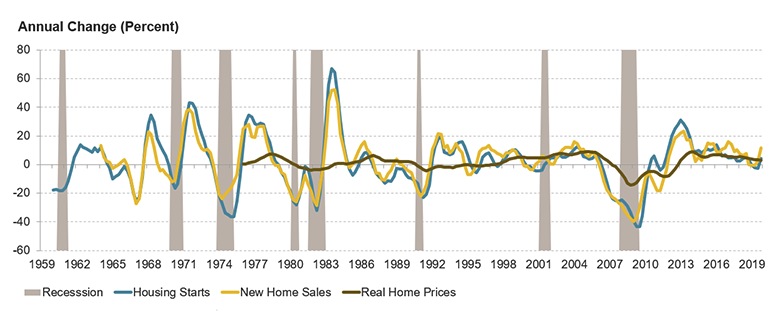
Now, let’s get to the big question: do housing prices crash when the economy tanks? The answer isn’t a simple yes or no—it’s more like a “maybe, but it depends.” During a recession, demand for homes often drops. Why? People are nervous about their finances, so they’re less likely to take on a mortgage. Less demand can push prices down, but it’s not a universal rule.
Factors Influencing Housing Prices
Think of the housing market like a seesaw. On one side, you’ve got demand—people wanting to buy. On the other, supply—homes for sale. In a recession, demand often shrinks faster than supply, which can nudge prices lower. But other factors, like low interest rates or a shortage of homes, can keep prices steady or even push them up in some areas. Location matters too—urban hotspots might hold firm while rural markets soften.
Historical Trends in Housing Markets
Looking back, recessions don’t always mean a housing crash. Take the 2008 Great Recession—housing prices plummeted because of a mortgage crisis. But in the early 2000s recession, home prices barely blinked in many places. Data from the National Association of Realtors shows that during milder recessions, like 2001, median home prices dipped only slightly, sometimes by 2-5%. So, history tells us it’s not a one-size-fits-all deal.
Is a Recession a Good Time to Buy a House?
So, should you jump into the housing market when everyone else is running for cover? It can be tempting, especially if prices soften. But buying a house during a recession is like trying to catch a falling knife—you might score a deal, or you might get cut.
Benefits of Buying in a Downturn
Here’s the upside: less competition. With fewer buyers circling, you might snag a home below asking price. Sellers are often more willing to negotiate, throwing in perks like covering closing costs. Plus, if mortgage rates drop (more on that later), you could lock in a sweet deal. It’s like finding a clearance rack at your favorite store—there are bargains if you know where to look.
Risks to Consider
But hold up—recessions come with baggage. Job security is a big one. If you’re worried about layoffs, taking on a mortgage might feel like juggling flaming torches. Financing can also be trickier—banks get pickier about who they lend to. And if the market hasn’t hit bottom yet, you could buy only to see prices fall further. It’s a gamble, so you’ve got to weigh your situation carefully.
Do Mortgage Rates Go Up or Down in a Recession?
Mortgage rates are like the weather—unpredictable but influenced by bigger forces. In a recession, they often trend downward. Why? The Federal Reserve tends to cut interest rates to stimulate the economy, which can ripple into lower mortgage rates. It’s like the Fed’s way of saying, “Come on, everyone, let’s keep spending!”
Why Rates Might Drop
When the economy slows, lenders want to keep money moving. Lower rates make borrowing cheaper, encouraging people to buy homes or refinance. Historical data backs this up—during the 2020 recession, 30-year fixed mortgage rates dipped to record lows, around 2.7%, according to Freddie Mac. But beware: if inflation spikes during a recession (a rare combo called stagflation), rates could creep up instead.
What Happens to Prices During a Recession?
Beyond housing, what happens to prices in general? You’d think everything gets cheaper, but it’s not that simple. Some prices drop, others hold steady, and a few even climb. It’s like a mixed bag at a flea market—there’s a bit of everything.
Inflation vs. Deflation in Recessions
Typically, recessions lean toward deflation—prices fall because demand is weak. Think cars, electronics, or even gas. But essentials like groceries or healthcare? Those can stay stubbornly high. During the 2008 recession, consumer prices dropped slightly overall, but energy costs swung wildly. The takeaway? Don’t expect a universal discount on life.
Who Benefits from a Recession?
Believe it or not, recessions aren’t bad for everyone. Some folks come out ahead, like scavengers finding treasure in tough times. Who are these lucky ones?
Opportunities for Savvy Investors
Cash-rich investors love a downturn. Why? They can scoop up undervalued assets—stocks, real estate, you name it. Businesses offering bargains, like discount retailers or budget services, often thrive. Even debt collectors can see a boom as people struggle to pay bills. It’s not pretty, but someone’s always making a buck.
Who Suffers the Most During a Recession?
On the flip side, recessions hit some groups like a ton of bricks. It’s not hard to guess who gets the short end of the stick.
Industries Hit Hardest
Low-income workers, for starters. They’re often the first to face layoffs or reduced hours. Small businesses, especially in retail or hospitality, can get crushed when customers tighten their belts. Construction takes a hit too—fewer people building homes means fewer jobs. The 2008 recession saw unemployment peak at 10%, with manufacturing and retail shedding millions of jobs, per the Bureau of Labor Statistics.
What Not to Do During a Recession?
Recessions are tricky, and it’s easy to make a misstep. Want to come out stronger? Avoid these traps.
Financial Missteps to Watch Out For
First, don’t panic-sell your investments. Markets dip, but they usually recover. Overspending is another no-no—skip that impulse buy, even if it’s on sale. And don’t ignore your budget. It’s like ignoring a leaky roof—small problems turn into big ones fast. Oh, and risky bets? Like quitting your job to start a business with no safety net? Maybe hold off.
Preparing for a Recession: Smart Moves to Make
Instead of stressing, get proactive. Build an emergency fund—aim for three to six months of expenses. Pay down high-interest debt to free up cash flow. And consider upskilling—learning new tricks can make you more valuable at work. It’s like packing an umbrella before the storm hits.
Conclusion
Recessions are like stormy seas—challenging, but navigable if you’re prepared. Housing prices might dip, offering deals for bold buyers, but risks like job loss loom large. Mortgage rates often drop, but general prices can be a mixed bag. Some folks, like investors, find opportunities, while others, like low-wage workers, bear the brunt. By avoiding financial pitfalls and planning ahead, you can weather the storm. So, what’s your next move? Stay informed, stay steady, and you’ll come out stronger.
FAQs
Can I negotiate a better home price during a recession?
Absolutely! Sellers are often more flexible when demand is low, so you might score a deal or extras like closing cost help.
Should I wait for prices to drop further in a recession?
Timing the market is tough. If you find a home you love at a fair price, waiting might not be worth the risk of missing out.
How can I protect my finances during a recession?
Focus on saving, cutting unnecessary expenses, and avoiding big debts. A solid budget is your best friend.
Do all recessions affect housing the same way?
Nope! Some, like 2008, hit housing hard; others, like 2001, barely dent it. It depends on the cause and market conditions.
What industries are safest in a recession?
Healthcare, utilities, and discount retail tend to hold up well—people still need medicine, power, and cheap goods!

If you're in the market for a home, you can trust the experienced professionals at eXp Realty of California. We are dedicated to providing superior service and expertise to help you achieve your real ....
Short sales, South Placer market trends, mortgage rates, ranch property and three featured homes.ALEX DYER | REAL ESTATEPLACER & SACRAMENTO COUNTIES · SEPTEMBER 24, 2026This week's market
Sacramento Housing Market • Distressed Property ReportSacramento Short Sales Are Rising in 2026 — Here’s What the Numbers Really ShowShort sales are showing up again nationally and
Weekly Market Report · South Placer CountyRoseville, Rocklin & Lincoln Real Estate Market ReportWeek of September 17 – 23, 2026 · Prepared by Alex Dyer, Your
Living in Placer CountySearch land and ranch listings Book a callLand & Ranch Guide, September 2026How Much Acreage Do You Need? Sizing Your Dream Ranch PropertyStart with the life you want, not
Additional:
915 Highland Pointe Dr. Ste 250Should you require assistance in navigating our website or searching for real estate, please contact our offices at 916-318-3487.
CA License # 01239383

 All measurements and all calculations of area are approximate. Information provided by Seller/Other sources, not verified by Broker. All interested persons should independently verify accuracy of information. Provided properties may or may not be listed by the office/agent presenting the information. Data maintained by MetroList© may not reflect all real estate activity in the market.
All real estate content on this site is subject to the Federal Fair Housing Act of 1968, as amended, which makes it illegal to advertise any preference, limitation or discrimination because of race, color, religion, sex, handicap, family status or national origin or an intention to make any such preference, limitation or discrimination.
MetroList CA data last updated: September 26, 2026 5:32 AM UTC Terms of Use.
Vendor data provided by Inside Real Estate, LLC.
All measurements and all calculations of area are approximate. Information provided by Seller/Other sources, not verified by Broker. All interested persons should independently verify accuracy of information. Provided properties may or may not be listed by the office/agent presenting the information. Data maintained by MetroList© may not reflect all real estate activity in the market.
All real estate content on this site is subject to the Federal Fair Housing Act of 1968, as amended, which makes it illegal to advertise any preference, limitation or discrimination because of race, color, religion, sex, handicap, family status or national origin or an intention to make any such preference, limitation or discrimination.
MetroList CA data last updated: September 26, 2026 5:32 AM UTC Terms of Use.
Vendor data provided by Inside Real Estate, LLC.
