Short sales, South Placer market trends, mortgage rates, ranch property and three featured homes.ALEX DYER | REAL ESTATEPLACER & SACRAMENTO COUNTIES · SEPTEMBER 24, 2026This week's market

Dated: March 24 2025
Views: 206
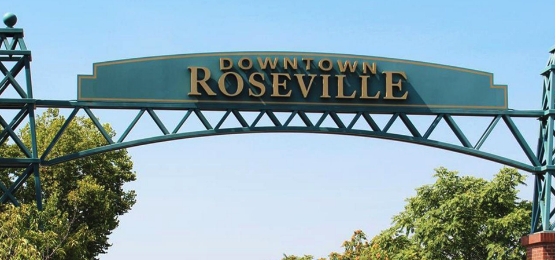
Roseville, California, situated in Placer County, has emerged as a compelling option for individuals and families considering relocation. Approximately 20 miles northeast of Sacramento, this city of roughly 166,000 residents offers a distinctive blend of suburban tranquility and urban accessibility. As of March 24, 2025, Roseville’s reputation as a desirable place to live continues to grow, driven by its economic vitality, community strengths, and quality of life. This article provides a comprehensive analysis of Roseville’s attributes, addressing its cost of living, walkability, income levels, and suitability for various demographics, including retirees.
Overview of Roseville
Roseville stands out as a well-rounded community that balances residential appeal with economic opportunity. Its proximity to Sacramento provides access to metropolitan amenities while maintaining a quieter, more spacious environment. The city’s infrastructure supports a range of lifestyles, from young professionals seeking career growth to families prioritizing education and safety. Roseville’s ongoing development and strategic location along major highways further enhance its status as a noteworthy destination in Northern California.
Geographic Context
Located in Placer County, Roseville lies approximately 20 miles northeast of Sacramento, within the Sacramento metropolitan area. Interstate 80 bisects the city, and State Route 65 provides additional connectivity to surrounding regions, including Rocklin and Lincoln. This positioning ensures convenient access to urban centers while preserving a suburban character, making Roseville an attractive hub for commuters and residents alike.
Roseville’s Notable Features
Roseville’s identity is shaped by a rich history and a robust economic foundation. Recognized for its railroad heritage and contemporary commercial prominence, the city offers a multifaceted profile that appeals to diverse audiences. These elements contribute significantly to its reputation and livability.
Historical Significance
Roseville’s origins trace back to the 19th century, when it served as a stagecoach stop known as Griders. The arrival of the Central Pacific Railroad in 1864 transformed it into a key junction, later incorporated as Roseville in 1909. The Union Pacific rail yard remains a testament to this legacy, anchoring the city’s historical narrative and influencing its early growth.
Economic Profile
Today, Roseville thrives as a commercial powerhouse. The Westfield Galleria at Roseville, a premier shopping destination, anchors a vibrant retail sector that draws visitors from across the region. Additional economic drivers include healthcare, technology, and public administration, supported by major employers such as Kaiser Permanente and the City of Roseville. This economic diversity bolsters the city’s stability and appeal.
Cost of Living in Roseville
Understanding the financial implications of residing in Roseville is critical for prospective residents. While the cost of living exceeds the national average by approximately 20-38%, it remains more affordable than many California locales, offering a balanced economic environment for its residents.
Housing Market
Housing represents the largest expense in Roseville. The median home price ranges from $600,000 to $625,000, notably higher than the national median of $281,900 but below California’s statewide average of $725,000. Rental costs average between $2,052 and $2,232 monthly, with variations depending on location—East Roseville tends to be more budget-friendly, while West Roseville commands premium rates due to newer developments.
Everyday Expenses
Daily costs in Roseville also surpass national benchmarks. Grocery prices are approximately 8% higher, with staples like bread costing $4 compared to a national average of $3.50. Utilities, influenced by California’s energy market, are 43% above the U.S. norm, while transportation expenses—including fuel and public transit—are elevated by 36%. These figures reflect the broader cost dynamics of living in a prosperous California suburb.
Drivers of Roseville’s Popularity
Roseville’s population growth—up 11% since 2020—underscores its rising prominence. Several factors contribute to this trend, including its family-oriented environment and robust employment opportunities, making it a magnet for diverse demographics.
Family-Oriented Benefits
Roseville excels as a family-friendly community. Its school districts consistently earn high marks, providing quality education that attracts parents. The city boasts numerous parks, such as Royer Park, and maintains a low violent crime rate of 0.25%, well below national averages. These attributes create a secure and nurturing environment for raising children.
Employment Landscape
The job market in Roseville is a significant draw. Key sectors include healthcare, retail, and government, with major employers offering stable opportunities. The unemployment rate remains below the national average of 5.33%, and median household incomes ranging from $112,000 to $117,000 reflect a strong economic base. This employment strength appeals to professionals relocating from costlier regions like the Bay Area.
Walkability in Roseville
Walkability is an essential consideration for urban livability. In Roseville, pedestrian accessibility is limited, with only 2.3% of residents walking to work and an average commute time of 27-33 minutes, predominantly by car (76.7%). While the downtown area offers some walkable pockets, the city’s suburban design prioritizes vehicular travel.
Global Walkability Comparison
When compared to global leaders like Florence, Italy—often cited as the world’s most walkable city with a compact, pedestrian-centric layout—Roseville falls short. Florence boasts a 90% walkability rate, while Roseville’s pedestrian-friendly zones constitute roughly 20-30% of its footprint. Ongoing downtown improvements aim to enhance accessibility, but the city remains car-dependent.
Household Income Insights
Roseville’s median household income, estimated between $112,265 and $117,354, with some sources citing $124,617, exceeds the national median of $74,606 by 48%. This figure surpasses Sacramento’s $94,992, highlighting Roseville’s economic advantage. Such income levels support a comfortable lifestyle, aligning with the city’s higher cost of living and quality amenities.
Roseville’s City Identity
Roseville’s character is defined by its suburban foundation, enriched with urban conveniences and a strong sense of community. This duality positions it as a versatile location for a range of residents.
Suburban Characteristics
The city exemplifies suburban living with its planned neighborhoods, ample green spaces, and modern infrastructure. Yet, it integrates urban elements like shopping centers and business hubs, offering residents the best of both worlds—a serene retreat with access to metropolitan resources.
Community Dynamics
Roseville fosters a cohesive community atmosphere. Events at Vernon Street Town Square, including markets and cultural gatherings, strengthen local bonds. With 44% of adults holding bachelor’s degrees, the population is educated and engaged, contributing to a dynamic social environment.
Downtown Roseville Overview
Roseville’s downtown district, revitalized since the 1980s, serves as a cultural and commercial focal point. Though modest in size, it reflects the city’s commitment to enhancing its urban core.
Downtown Features
Vernon Street anchors the downtown area, featuring boutique shops, a performance stage, and family-friendly amenities like water sprays. The Civic Center and Arts! Blueline Gallery elevate its appeal, while Historic Old Town preserves its heritage. These elements create a vibrant, albeit compact, central hub.
Retirement Suitability
For retirees, Roseville presents a compelling case. Its climate, healthcare access, and recreational offerings cater to the needs of older adults seeking a balanced retirement lifestyle.
Retirement Advantages
The Mediterranean climate—warm summers and mild winters—supports year-round comfort. Healthcare facilities, such as Sutter Roseville Medical Center, ensure quality care, while the median income for seniors ($63,053) aligns with a manageable cost of living. Property taxes, at approximately 1.15%, remain reasonable within California’s context.
Senior Activities
Retirees benefit from an array of activities, including golf courses, walking trails along Dry Creek, and community programs. Senior centers and local events provide social engagement, ensuring an active and fulfilling retirement experience.
Conclusion
Roseville, CA, emerges as a highly livable city, offering a blend of economic opportunity, community strength, and suburban comfort. While its cost of living and limited walkability present challenges, the city’s family-friendly environment, robust job market, and retiree appeal outweigh these drawbacks for many. As of March 24, 2025, Roseville stands as a strong contender for those seeking a balanced lifestyle in Northern California, meriting serious consideration for prospective residents.
FAQs
How does Roseville’s cost of living compare to nearby cities?
It is more affordable than Bay Area cities but higher than Sacramento, with housing costs driving the difference.
What employment sectors dominate in Roseville?
Healthcare, retail, and public administration lead, supported by employers like Kaiser Permanente and local government.
Is Roseville’s downtown a significant asset for residents?
Yes, its revitalized core offers cultural and commercial value, though it remains smaller than traditional urban centers.
What makes Roseville appealing for retirees?
A favorable climate, accessible healthcare, and recreational options create an attractive environment for retirement living.

If you're in the market for a home, you can trust the experienced professionals at eXp Realty of California. We are dedicated to providing superior service and expertise to help you achieve your real ....
Short sales, South Placer market trends, mortgage rates, ranch property and three featured homes.ALEX DYER | REAL ESTATEPLACER & SACRAMENTO COUNTIES · SEPTEMBER 24, 2026This week's market
Sacramento Housing Market • Distressed Property ReportSacramento Short Sales Are Rising in 2026 — Here’s What the Numbers Really ShowShort sales are showing up again nationally and
Weekly Market Report · South Placer CountyRoseville, Rocklin & Lincoln Real Estate Market ReportWeek of September 17 – 23, 2026 · Prepared by Alex Dyer, Your
Living in Placer CountySearch land and ranch listings Book a callLand & Ranch Guide, September 2026How Much Acreage Do You Need? Sizing Your Dream Ranch PropertyStart with the life you want, not
Additional:
915 Highland Pointe Dr. Ste 250Should you require assistance in navigating our website or searching for real estate, please contact our offices at 916-318-3487.
CA License # 01239383

 All measurements and all calculations of area are approximate. Information provided by Seller/Other sources, not verified by Broker. All interested persons should independently verify accuracy of information. Provided properties may or may not be listed by the office/agent presenting the information. Data maintained by MetroList© may not reflect all real estate activity in the market.
All real estate content on this site is subject to the Federal Fair Housing Act of 1968, as amended, which makes it illegal to advertise any preference, limitation or discrimination because of race, color, religion, sex, handicap, family status or national origin or an intention to make any such preference, limitation or discrimination.
MetroList CA data last updated: September 26, 2026 5:32 AM UTC Terms of Use.
Vendor data provided by Inside Real Estate, LLC.
All measurements and all calculations of area are approximate. Information provided by Seller/Other sources, not verified by Broker. All interested persons should independently verify accuracy of information. Provided properties may or may not be listed by the office/agent presenting the information. Data maintained by MetroList© may not reflect all real estate activity in the market.
All real estate content on this site is subject to the Federal Fair Housing Act of 1968, as amended, which makes it illegal to advertise any preference, limitation or discrimination because of race, color, religion, sex, handicap, family status or national origin or an intention to make any such preference, limitation or discrimination.
MetroList CA data last updated: September 26, 2026 5:32 AM UTC Terms of Use.
Vendor data provided by Inside Real Estate, LLC.
