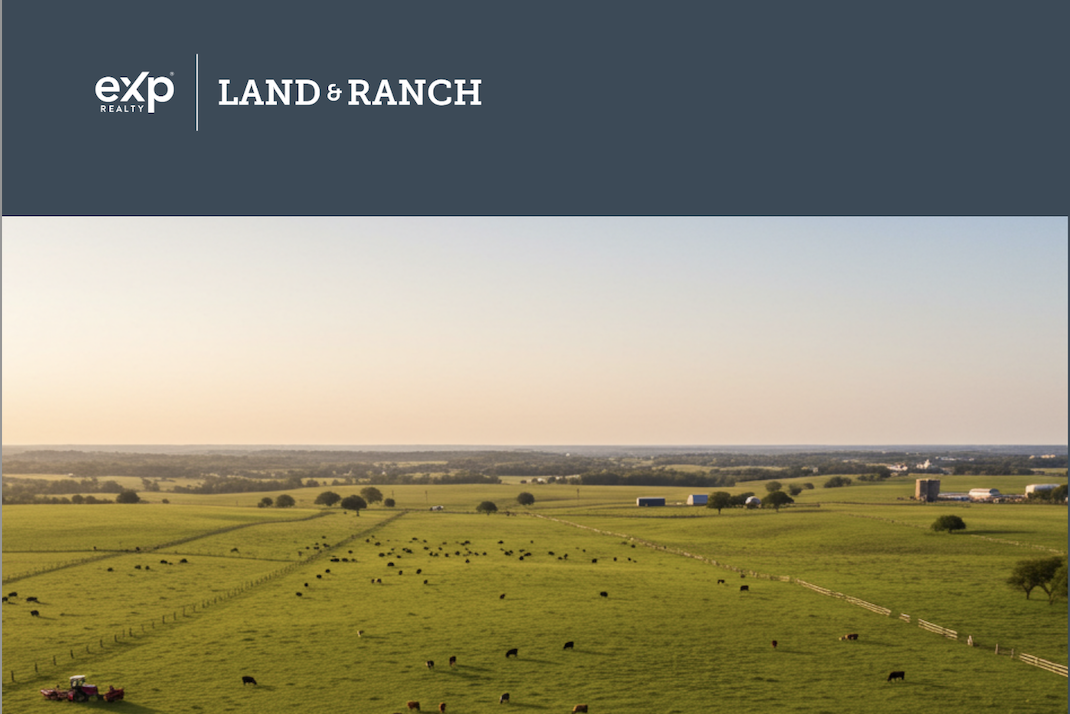
In March 2026, the rural real estate sector continues to attract significant attention from high-net-worth (HNW) individuals. These affluent buyers—typically defined as those with net worths exceeding $5 million—are reshaping countryside landscapes by investing in expansive properties that blend luxury, privacy, and long-term value. Driven by ongoing wealth transfers, lifestyle preferences, and strategic diversification, this segment has shown resilience amid stabilizing mortgage rates around 6% and broader market recovery signals.Recent industry insights indicate that luxury real estate, including rural holdings, is outperforming in many areas due to cash-rich buyers less affected by rate fluctuations. With trillions in intergenerational wealth shifting—much of it into U.S. real estate—this profile examines the demographics, motivations, preferred locations, property types, trends, challenges, and future outlook for HNW rural investors.Introduction: The Evolution of Rural Luxury LivingRural luxury in 2026 represents a deliberate shift toward intentional, high-quality living rather than mere seclusion. HNW buyers are transforming traditional farmland and remote estates into sophisticated retreats equipped with modern amenities, sustainable infrastructure, and reliable connectivity. This evolution builds on post-pandemic momentum, where remote work and a quest for self-sufficiency accelerated rural demand.Industry reports highlight balanced growth in land markets, with high-quality rural properties in desirable areas performing strongly. Cash transactions dominate among the affluent, providing insulation from economic volatility and enabling custom developments that prioritize utility and legacy building.Current Market Dynamics in 2026Several factors distinguish 2026. Stabilizing interest rates, combined with projected increases in home sales and modest price appreciation, create opportunities in undervalued rural segments. HNW buyers allocate substantial portions of portfolios to real estate as an inflation hedge and wealth anchor. Intergenerational transfers further fuel activity, positioning rural assets as key elements in family legacies.Defining High-Net-Worth BuyersHNW rural real estate buyers form a discerning, often self-made group. They include entrepreneurs, executives, and family office leaders who value properties aligned with personal and environmental principles.Demographic InsightsThis cohort draws from global backgrounds but favors U.S. stability. Families represent a majority, seeking estates suitable for multi-generational use. International participation grows, particularly from regions seeking secure, lifestyle-oriented investments.Generational CompositionA notable shift occurs as Millennials and Gen X lead purchases. These generations, aged roughly 35-55, inherit significant property wealth—estimated at trillions over the coming decade—and prioritize tech integration alongside natural settings. Baby Boomers transition to scaled-down retreats, contributing to market fluidity.Occupational and Background AnalysisTech entrepreneurs comprise a large share, followed by finance professionals. Many originate from urban hubs, applying innovative mindsets to rural projects—such as converting ranches into sustainable compounds.Financial CharacteristicsNet worths begin at $5 million, frequently exceeding $30 million. All-cash strategies prevail, with 20-30% portfolio allocations to real estate. This approach emphasizes "nest investing," viewing homes as stable, multifunctional assets.Primary Motivations for Rural InvestmentsMotivations intertwine personal aspirations with calculated financial planning.Pursuit of Privacy and Lifestyle EnhancementPrivacy ranks highly, offering escape from urban scrutiny and enhanced well-being through nature access and reduced stress.Strategic Investment and Portfolio DiversificationRural properties deliver steady appreciation and serve as tangible hedges, supported by low supply in premium segments.Emphasis on Sustainability and AutonomyClimate awareness drives demand for self-sufficient features, reflecting values of responsibility and independence.In-Demand Eco-Conscious FeaturesSolar energy, water harvesting, organic agriculture, and resilient designs command premiums, merging opulence with environmental stewardship.Leading Rural Destinations in 2026HNW buyers target areas balancing growth, lifestyle, and accessibility.Rising Regions in the Midwest and Southern StatesThe Midwest and South attract with affordability, economic expansion, and quality of life—cities like Nashville, Dallas, and Salt Lake City serve as gateways to surrounding rural expanses.Focus on Mountainous Retreat AreasColorado locales such as Telluride and Vail remain resilient, bolstered by cash buyers and natural amenities like skiing and hiking.Appeal of Coastal and Arid LandscapesDesert regions in Arizona offer tax advantages and seclusion, while select coastal areas provide serenity.Preferred Property Types Among HNW BuyersAcquisitions emphasize scale, modernity, and functionality.Expansive Luxury Ranches and EstatesProperties over 1,000 acres with equestrian or agricultural elements appeal as personal domains.Contemporary Eco-Residences and Self-Sufficient PropertiesOff-grid luxury homes integrate high-end finishes with renewable systems.Integration of Advanced Technology in Rural HomesSmart automation, secure networks, and AI enhance remote livability without compromising aesthetics.Influential Market TrendsKey developments include pricing stability and evolving buyer priorities.Pricing Trends and Value AppreciationPremium rural segments appreciate 5-10% annually in select areas, driven by scarcity.The Remote Work Revolution's ImpactEnhanced broadband enables full-time rural residency, sustaining demand.Potential Obstacles for HNW Rural InvestorsChallenges persist despite advantages.Infrastructure Limitations and Connectivity ChallengesSpotty services require investment, though HNW buyers often upgrade properties.Navigating Regulations and Environmental ConsiderationsZoning and conservation rules demand careful navigation.Technology's Transformative Role in Rural PropertiesInnovations bridge isolation gaps, with seamless smart systems improving security and efficiency.Intergenerational Wealth Transfer DynamicsMassive transfers reshape priorities toward sustainable, utility-focused holdings.Influence of Millennials and Gen X on Market ShiftsYounger buyers emphasize wellness, tech, and long-term value over traditional status symbols.Evaluating Investment Viability in Rural Real EstateRural assets offer solid potential when approached strategically.Projected Returns and Associated RisksLong-term returns range 8-12%, balanced against market and infrastructure risks.Essential Advice for Prospective HNW Rural BuyersThorough due diligence is critical.Key Factors to Evaluate Prior to AcquisitionAssess location viability, sustainability alignment, legal frameworks, and expert consultations.Projections for 2027 and Future YearsAnticipated trends include deeper tech adoption, heightened sustainability focus, and mainstream rural luxury growth.ConclusionIn 2026, HNW engagement with rural real estate reflects a sophisticated blend of lifestyle aspiration and prudent wealth management. As wealth transfers accelerate and preferences evolve, rural properties stand as enduring assets for privacy, sustainability, and legacy. For those considering entry, the sector offers compelling opportunities—provided decisions align with thorough research and forward-thinking vision.FAQs1. What defines a high-net-worth buyer in the rural real estate context for 2026?
Typically, individuals with net worths of $5 million or more, often exceeding $30 million, who favor cash purchases and allocate significantly to real estate for diversification and utility.2. How are generational shifts influencing rural luxury purchases?
Millennials and Gen X, inheriting trillions in assets, drive demand for sustainable, tech-integrated properties that support multi-generational living and long-term value.3. Which U.S. regions attract the most HNW rural buyers currently?
Mountain West areas like Colorado, Midwest/Southern gateways such as Nashville and Dallas, and select arid or coastal zones in Arizona and beyond.4. Why is sustainability a major factor for these buyers?
HNW individuals prioritize eco-features like solar power and self-sufficiency to align with environmental values while enhancing property resilience and appeal.5. What risks should HNW investors consider in rural markets?
Infrastructure gaps, regulatory complexities, and potential market fluctuations—mitigated through expert guidance and strategic site selection.


 All measurements and all calculations of area are approximate. Information provided by Seller/Other sources, not verified by Broker. All interested persons should independently verify accuracy of information. Provided properties may or may not be listed by the office/agent presenting the information. Data maintained by MetroList© may not reflect all real estate activity in the market.
All real estate content on this site is subject to the Federal Fair Housing Act of 1968, as amended, which makes it illegal to advertise any preference, limitation or discrimination because of race, color, religion, sex, handicap, family status or national origin or an intention to make any such preference, limitation or discrimination.
MetroList CA data last updated: September 26, 2026 5:32 AM UTC Terms of Use.
Vendor data provided by Inside Real Estate, LLC.
All measurements and all calculations of area are approximate. Information provided by Seller/Other sources, not verified by Broker. All interested persons should independently verify accuracy of information. Provided properties may or may not be listed by the office/agent presenting the information. Data maintained by MetroList© may not reflect all real estate activity in the market.
All real estate content on this site is subject to the Federal Fair Housing Act of 1968, as amended, which makes it illegal to advertise any preference, limitation or discrimination because of race, color, religion, sex, handicap, family status or national origin or an intention to make any such preference, limitation or discrimination.
MetroList CA data last updated: September 26, 2026 5:32 AM UTC Terms of Use.
Vendor data provided by Inside Real Estate, LLC.
