Short sales, South Placer market trends, mortgage rates, ranch property and three featured homes.ALEX DYER | REAL ESTATEPLACER & SACRAMENTO COUNTIES · SEPTEMBER 24, 2026This week's market

Dated: November 7 2025
Views: 88
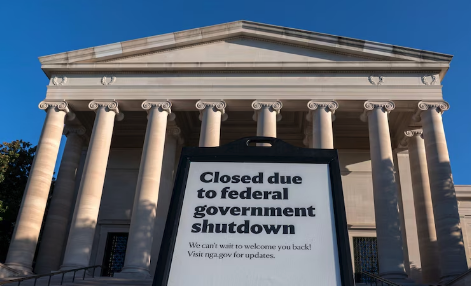
When "government shutdown" blares across headlines, housing quickly gets dragged into the anxiety. Will rent collections fall? Do closings stall? Are construction timelines toast?
The short answer: Real estate is far more resilient than the headlines suggest. Minor delays can pop up, but the core engine—private capital, local permitting, and everyday market demand—keeps running.
Let's break it down in plain English so you can make decisions without the noise.
A government shutdown occurs when Congress doesn't pass funding to keep federal agencies fully operating. "Non-essential" functions pause; essential ones continue.
Key point: It's disruptive for the federal workforce and some public services, but it's not a switch that turns off the housing market.
Here's the simple play-by-play:
For housing: This usually means a handful of verification steps and federal touchpoints might move slower—not that the market stops.
Shutdowns are human stories—missed paychecks, closed parks, long lines. That grabs clicks.
But the mechanics of real estate (private lenders, title companies, local inspectors, and market supply/demand) aren't controlled by a single federal lever.
The reality: The media talks national drama; your transaction runs on local process.
Shutdowns can dent short-term GDP and sentiment. Consumers get cautious. But the hit is typically small and temporary.
Once a funding deal passes, activity normalizes. Housing, driven by local inventory, rates, and jobs, doesn't reprice overnight because of a D.C. budget fight.
What you might experience:
Bottom line: All inconvenient. Few are transaction killers.
Real estate is decentralized. The market relies on:
That's why transactions and operations continue—even if some federal tasks slow down.
Annoyances you might encounter:
Real risk: Rare. Deals with razor-thin timelines may need extensions; otherwise, most files close with patience and planning.
Good news: Rent is a priority expense. Even when federal employees are furloughed, back pay historically helps them stay current or catch up quickly.
Landlords who communicate early and offer short, structured payment plans—when needed—typically keep collections on track.
Furloughs are stressful, but back pay legislation means income is deferred, not eliminated. Tenants lean on savings, side income, or assistance to bridge any gap. Most don't want eviction risk over a short-term interruption.
Operators often report little change in delinquency rates during shutdowns. Where there is stress:
✅ Proactive outreach
✅ Flexible timing (not free rent)
✅ Clear expectations
These maintain stability. The key is consistent messaging and standardized hardship protocols.
Many housing programs retain limited functionality or rely on previously appropriated funds. Essential services keep moving; some staff remain to process critical items.
The practical effect: You may see slower responses—not a hard stop.
Watch for:
Reassurance: Lenders who've been through shutdowns typically have playbooks for these exact issues.
Your action plan:
Good news for builders and developers: Permits and inspections are overwhelmingly local. City and county departments run their own calendars.
Federal shutdowns don't cancel your framing inspection or your certificate of occupancy.
What continues normally:
The exception: Projects with federal land, federal grants, or federal environmental approvals could face slowdowns.
Best practices:
Unlikely. Title companies, escrow officers, notaries, and wire desks are private-sector. Most loans still fund.
If a file relies on a federal doc that's slow, you adjust timelines or pivot to alternatives. Contracts with realistic contingency windows simply glide through.
Common culprits:
Your edge: Good agents and lenders tackle these early.
Shutdowns are, above all, a communication and timing challenge. Winners plan ahead, keep liquidity, and negotiate from data—not fear.
✅ What MATTERS:
❌ What DOESN'T matter:
Your focus areas:
💰 Liquidity – Keep reserves to absorb hiccups without forced selling
👥 Tenant mix – Diversify employment types when possible
⚙️ Ops excellence – Strong collections, maintenance SLAs, renewal strategy
📊 Deal discipline – Insist on cash-flow and risk-adjusted return screens
Look back and you'll see the pattern: short-term friction, then catch-up volume.
Washington D.C. and some military or federal-heavy metros can feel more pressure during long pauses.
Most other markets notice little more than headline fatigue and a few underwriting detours.
Uncertainty shakes loose deals. If a seller is jittery, you can structure terms that solve their problem without overpaying.
The goal: Value capture, not a victory lap.
Leverage these strategies:
💵 Seller credits – Offset rate buydowns or closing costs
🔧 Repair escrows – Instead of pre-close work stalls
📉 Extended rate locks – With float-down options (cost-benefit analysis required)
🏠 Rent-back periods – De-stress move timelines
A government shutdown is a headline event—not a housing collapse trigger.
Real estate's decentralized, private-sector engine keeps running. Expect occasional speed bumps around verifications, appraisals, or transcripts; plan for them and you'll close anyway.
The winning approach: Operators who communicate clearly, keep modest timeline buffers, and stick to fundamentals come out ahead.
Control what you can, ignore the noise, and keep moving.
1) Do shutdowns make rent collections crash?
No. Back pay and budgeting behavior typically keep tenants current; brief payment plans can bridge gaps without harming NOI.
2) Will my closing get canceled?
Cancellation is rare. More likely: a short extension for verification or transcripts. Good lenders have alternatives.
3) Should I avoid FHA/VA during a shutdown?
Not necessarily. Just build in realistic timing, and consider conventional or portfolio options if your file is tight.
4) Are permits and inspections paused?
Local permits/inspections generally continue. Only projects tied to federal land/funding may see delays.
5) What's the smartest investor move right now?
Tighten underwriting, keep cash cushions, and negotiate terms (credits, repairs, buydowns) rather than chasing price alone.

If you're in the market for a home, you can trust the experienced professionals at eXp Realty of California. We are dedicated to providing superior service and expertise to help you achieve your real ....
Short sales, South Placer market trends, mortgage rates, ranch property and three featured homes.ALEX DYER | REAL ESTATEPLACER & SACRAMENTO COUNTIES · SEPTEMBER 24, 2026This week's market
Sacramento Housing Market • Distressed Property ReportSacramento Short Sales Are Rising in 2026 — Here’s What the Numbers Really ShowShort sales are showing up again nationally and
Weekly Market Report · South Placer CountyRoseville, Rocklin & Lincoln Real Estate Market ReportWeek of September 17 – 23, 2026 · Prepared by Alex Dyer, Your
Living in Placer CountySearch land and ranch listings Book a callLand & Ranch Guide, September 2026How Much Acreage Do You Need? Sizing Your Dream Ranch PropertyStart with the life you want, not
Additional:
915 Highland Pointe Dr. Ste 250Should you require assistance in navigating our website or searching for real estate, please contact our offices at 916-318-3487.
CA License # 01239383

 All measurements and all calculations of area are approximate. Information provided by Seller/Other sources, not verified by Broker. All interested persons should independently verify accuracy of information. Provided properties may or may not be listed by the office/agent presenting the information. Data maintained by MetroList© may not reflect all real estate activity in the market.
All real estate content on this site is subject to the Federal Fair Housing Act of 1968, as amended, which makes it illegal to advertise any preference, limitation or discrimination because of race, color, religion, sex, handicap, family status or national origin or an intention to make any such preference, limitation or discrimination.
MetroList CA data last updated: September 26, 2026 5:32 AM UTC Terms of Use.
Vendor data provided by Inside Real Estate, LLC.
All measurements and all calculations of area are approximate. Information provided by Seller/Other sources, not verified by Broker. All interested persons should independently verify accuracy of information. Provided properties may or may not be listed by the office/agent presenting the information. Data maintained by MetroList© may not reflect all real estate activity in the market.
All real estate content on this site is subject to the Federal Fair Housing Act of 1968, as amended, which makes it illegal to advertise any preference, limitation or discrimination because of race, color, religion, sex, handicap, family status or national origin or an intention to make any such preference, limitation or discrimination.
MetroList CA data last updated: September 26, 2026 5:32 AM UTC Terms of Use.
Vendor data provided by Inside Real Estate, LLC.
