Documenting Property History to Sell Your Ranch Faster

Dated: January 22 2026

Views: 63


Selling a ranch isn’t like unloading a suburban house. Buyers aren’t just shopping square footage—they’re investing in legacy, land potential, water, wildlife, and sometimes generations of stories. One underrated trick that can shave weeks (or months) off your time on market? Thoroughly documenting your ranch’s property history.Think of it this way: your ranch has a biography. When you hand buyers a well-organized “life story” instead of making them hunt for clues during due diligence, trust skyrockets, objections drop, and serious offers roll in faster.In this guide, we’ll walk through why history matters, what to collect, how to organize it like a pro, and real ways to use it in marketing. Let’s turn dusty old records into your fastest-selling asset.Why Buyers Crave Ranch History (And Why It Speeds Up Your Sale)Today’s ranch buyers—whether legacy families, investors, or lifestyle seekers—are cautious. They’ve seen deals implode over unclear water rights, surprise easements, or environmental red flags.When you proactively document history, you flip the script:
  • You build instant credibility. Buyers think, “This seller has their act together.”
  • You reduce due-diligence friction. No last-minute scrambles for missing deeds.
  • You create emotional connection. A compelling story turns “land for sale” into “piece of Western heritage.”
Result? Faster decisions, fewer contingencies, and often higher offers. I’ve watched ranches listed for 6+ months sell in under 45 days once the seller shared a polished history packet.The Core Pieces Every Ranch History Should IncludeHere’s what smart sellers gather first:1. Clean Chain of Title & Ownership TimelineStart with the basics: who owned the land and when.
  • Deeds and warranty deeds
  • Probate records or wills (if inherited)
  • Title commitment or preliminary title report
A gap-free chain reassures buyers there are no cloud-on-title surprises.2. Water Rights Documentation (Often the #1 Deal-Maker)In the West especially, water is the ranch.Collect:
  • Adjudicated water rights decrees
  • Well permits and logs
  • Stock certificates or ditch company shares
  • Historical diversion records or flow measurements
Buyers will pay a premium for documented, senior water rights.3. Land Use & Production HistoryShow how the ranch has been managed:
  • Grazing records or AUM (animal unit month) history
  • Crop yields (if applicable) or FSA/APH reports
  • Soil tests, conservation plans, or NRCS practice documentation
  • Hunting/fishing lease income history
This proves the land isn’t depleted and has real income potential.4. Improvements, Infrastructure & SurveysDocument everything you’ve built or fixed:
  • Dated photos of barns, corrals, fences, roads
  • Irrigation system specs and upgrades
  • Recent boundary surveys or plats
  • Environmental assessments or wetland delineations
Buyers love proof of investment and care.5. The Story Layer: Photos, Maps & AnecdotesThis is where you win hearts.
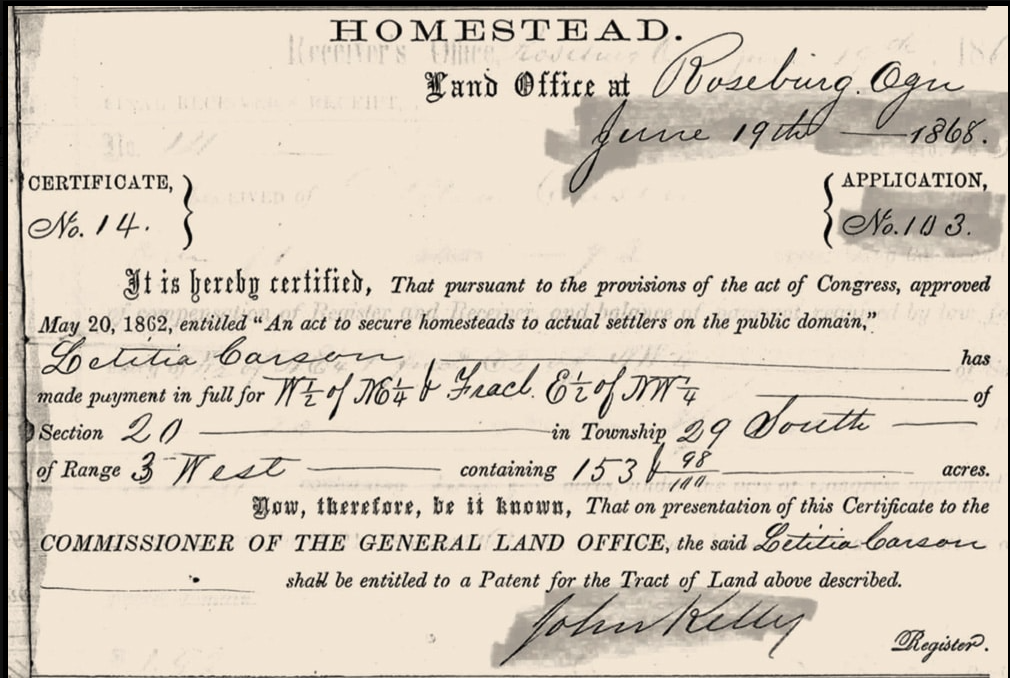
  • Vintage aerials or homestead photos
  • Old family letters, newspaper clippings
  • Maps showing historic trails, brands, or boundary evolution
A timeline that reads like a mini-documentary keeps buyers scrolling—and dreaming.Step-by-Step: How to Build Your Ranch History PacketDon’t panic—it’s easier than it sounds.
  1. Start with public records
    Visit (or call) the county recorder, assessor, and clerk offices. Many counties now have online portals for deeds and plats.
  2. Request a preliminary title report
    Order one early (cheap insurance against surprises).
  3. Hit up state & federal agencies
    BLM for grazing allotments, State Engineer for water, NRCS for conservation history.
  4. Talk to people
    Former owners, long-time neighbors, old ranch hands. Oral history adds flavor no database can match.
  5. Organize digitally & physically
    Scan everything. Create a master PDF binder + printed version for showings.
Pro tip: Use a simple tool like Google Drive folders or Notion to keep it searchable.Smart Ways to Market Your Ranch’s HistoryDon’t bury the story—lead with it.
  • Listing description: Open with a hook: “Homesteaded in 1892, this 1,200-acre gem has watered generations of Herefords with senior Rio Grande rights…”
  • Broker packet / buyer info package: A polished 10–20 page PDF sent after initial interest.
  • Virtual tour narration: Overlay historical photos and timeline points.
  • Social & email blasts: Share snippets—“Did you know this ranch ran 800 head in the 1950s?”—to spark shares.
Buyers remember stories more than specs.Legal Must-Knows: Disclosures & TransparencyFull disclosure isn’t optional—it’s law in most states.
  • Reveal known defects (flood zones, encroachments)
  • Disclose any past environmental issues
  • Never hide easements or boundary disputes
Honest sellers close faster because trust accelerates everything.Common Mistakes That Slow Sales (And How to Avoid Them)
  • Waiting until offer stage to gather docs → delays negotiations
  • Overloading buyers with 200 pages of raw records → overwhelming
  • Ignoring negatives → they surface anyway and kill deals
  • Skipping professional help → title glitches or water confusion can derail everything
Fix: Curate, don’t dump. Highlight strengths while honestly addressing (and resolving) weaknesses.Quick Wins to Get Started Today
  • Pull your most recent tax statement and deed
  • Download any available online water rights summary
  • Snap dated “before” photos of key improvements
  • Ask your agent for a title commitment quote
Small steps compound fast.Final Thoughts: Your Ranch’s Past Is Its Best Sales PitchIn a world of cookie-cutter listings, a well-documented history makes your ranch unforgettable. It answers questions before they’re asked, builds trust instantly, and often commands a higher price from buyers who value legacy.So grab a coffee, open that file drawer (or browser tab), and start telling your ranch’s story. The right buyer is out there—and they’ll move quickly for a property that feels like home already.Got questions about your specific ranch history? Drop them in the comments—I’d love to help brainstorm.FAQs1. How far back should I document my ranch’s history?
Aim for at least the last 50–60 years for practical use (water, production, improvements). For story value, go back to homestead or original patent if it’s compelling.
2. Do I really need a title search if I’m selling FSBO?
Yes—strongly recommended. A clean preliminary title report prevents nasty surprises at closing and reassures buyers.
3. What if my ranch has messy water rights history?
Document what exists honestly. Many buyers will still pursue if the rights are usable; unresolved issues scare people away faster than full disclosure.
4. Can old family photos and stories really help sell faster?
Absolutely. Emotional connection often trumps spreadsheets. Buyers purchasing lifestyle ranches especially respond to heritage.
5. How much should I budget for gathering and organizing history docs?
DIY: mostly time + small copying fees ($100–500). Professional help (title company, researcher): $800–$2,500 depending on complexity. It almost always pays for itself in faster sale and fewer concessions.

Blog author image

Alex Dyer

If you're in the market for a home, you can trust the experienced professionals at eXp Realty of California. We are dedicated to providing superior service and expertise to help you achieve your real ....

Latest Blog Posts

What the headlines mean for your next move

Short sales, South Placer market trends, mortgage rates, ranch property and three featured homes.ALEX DYER | REAL ESTATEPLACER & SACRAMENTO COUNTIES · SEPTEMBER 24, 2026This week's market

Read More

Sacramento Short Sales Are Rising in 2026 — Here’s What the Numbers Really Show

Sacramento Housing Market • Distressed Property ReportSacramento Short Sales Are Rising in 2026 — Here’s What the Numbers Really ShowShort sales are showing up again nationally and

Read More

Roseville, Rocklin & Lincoln Real Estate Market Report

Weekly Market Report · South Placer CountyRoseville, Rocklin & Lincoln Real Estate Market ReportWeek of September 17 – 23, 2026  ·  Prepared by Alex Dyer, Your

Read More

How Much Acreage Do You Need? Sizing Your Dream Ranch Property

Living in Placer CountySearch land and ranch listings Book a callLand & Ranch Guide, September 2026How Much Acreage Do You Need? Sizing Your Dream Ranch PropertyStart with the life you want, not

Read More