Short sales, South Placer market trends, mortgage rates, ranch property and three featured homes.ALEX DYER | REAL ESTATEPLACER & SACRAMENTO COUNTIES · SEPTEMBER 24, 2026This week's market

Dated: April 29 2025
Views: 102
Picture this: you’re scrolling through Zillow, dreaming of your perfect home, but the prices make your heart skip a beat—and not in a good way. Or maybe you’re a homeowner wondering if now’s the time to cash in on your property or hold tight for a better market. The housing market has been a rollercoaster, leaving buyers, sellers, and investors asking the same question: Is the housing market going to improve in 2025? Let’s dive into what’s happening now, what experts like Zillow predict for 2025, and whether the market will look brighter in 2026 or beyond. We’ll also tackle big questions like whether home prices will soar in five years, if you should sell now, and if housing will ever feel affordable again.
Understanding the Current Housing Market Landscape
The housing market in 2024 feels like trying to catch a fish in a stormy sea—challenging and unpredictable. Home prices are sky-high, with the average U.S. home value hovering around $357,000, according to Zillow. Mortgage rates, while slightly down from their 2023 peaks, are still stubborn, sitting at about 6.6% for a 30-year fixed loan. Combine that with a shortage of homes for sale, and you’ve got a market that’s tough for buyers and competitive for sellers. But is this storm about to clear, or are we in for more turbulence?
Why Are Home Prices So High?
Let’s break it down. The housing market is like a game of supply and demand, and right now, the scales are tipped. There aren’t enough homes to go around—Zillow estimates the U.S. is 4.5 million homes short of a healthy supply. Meanwhile, demand stays strong, fueled by millennials and Gen Z hitting homebuying age. Add in economic factors like inflation and high construction costs, and it’s no wonder prices are climbing faster than a squirrel up a tree. In 2024 alone, home values rose 2.6% year-over-year, and that’s after a 4% jump in 2023.
Affordability Challenges for Buyers
Buying a home today feels like trying to win a bidding war with a piggy bank. A typical home requires about 35% of the median household income for mortgage payments, assuming a 20% down payment. That’s well above the 30% threshold lenders consider affordable. And that down payment? It’s a whopping $72,000 for the average home—ouch! High mortgage rates don’t help, shrinking the loan amount buyers can qualify for. It’s no surprise many are opting to rent, waiting for a break in the clouds.
Zillow’s 2025 Housing Market Predictions
So, what does Zillow, the real estate crystal ball, see for 2025? Their latest forecast is a bit of a plot twist: they’re predicting a slight decline in home prices, which hasn’t happened since 2012. Let’s unpack what they’re saying and what it means for you.
Home Price Projections
Zillow projects U.S. home prices will drop by 1.7% between March 2025 and March 2026. That’s a big shift from their earlier 2024 predictions of modest growth. Why the change? Rising inventory is giving buyers more options, cooling the frenzy of bidding wars. However, this decline won’t be uniform. Markets in the Gulf region, like New Orleans (-3.8%) and San Francisco (-5.2%), might see bigger dips, while Northeast metros like Hartford (4.2%) could still see gains. If you’re in a hot market, your home might hold its value, but softer regions could feel the pinch.
Expected Home Sales and Inventory Trends
Zillow expects 4.2 million existing home sales in 2025, up from 4 million in 2024. That’s a sign the market is “unsticking,” with more homes hitting the market—about 4.2 million listings total. Buyers will have more choices, especially in affordable regions like Texas, Louisiana, and Florida. Sellers, though, might face stiffer competition, with 26% of listings already seeing price cuts in 2024. This could mean more negotiating power for buyers, a welcome change after years of seller-dominated markets.
Will the Housing Market Be Better in 2026?
Looking ahead to 2026, the housing market might start to feel like a smoother ride, but don’t expect a complete turnaround. Experts like Fannie Mae predict a 1.7% price increase, while the National Association of Realtors (NAR) sees a 2% rise, bringing median home prices to around $420,000. The market could become more balanced as inventory grows and mortgage rates stabilize, but affordability will still be a hurdle. So, will it be better? It depends on whether you’re buying or selling.
Mortgage Rate Expectations
Mortgage rates are the wild card in this deck. NAR expects rates to hover around 6% through 2026, which is lower than the historical average of 7.74% but still high compared to the 3% days of 2020. If inflation cools and the Federal Reserve cuts rates, we might see rates dip to 5.5%–6% by late 2028. Lower rates would boost buyer purchasing power, but if tariffs or economic shocks reignite inflation, rates could stay elevated, keeping affordability out of reach.
Long-Term Economic Factors
The 2026 market will also depend on broader trends. Strong job growth—2 million jobs annually—could keep demand steady. New construction, especially single-family homes, is expected to rise in 2025 and 2026, easing supply shortages. However, a slowdown in multifamily construction after 2026 might tighten rental markets, pushing more people toward buying. If wage growth outpaces home price increases, affordability could improve slightly, but don’t hold your breath for a dramatic shift.
Will Home Prices Be Higher in 5 Years?
Fast-forward to 2029: will your home be worth more? Most experts say yes, but the growth won’t be as wild as the early 2020s. Let’s look at what the pros are predicting.
Expert Predictions for 2025–2029
NAR forecasts home prices will rise about 2% annually, reaching around 17% above 2024 levels by 2029. Fannie Mae predicts 3.5% growth in 2025, slowing to 1.3% in 2026, with steady increases after. U.S. News expects prices to grow slightly above inflation, about 3% per year. This moderation comes as supply improves and demand cools due to affordability constraints. So, while prices should climb, don’t expect the double-digit surges of the pandemic era.
Should You Sell Your House Now or Wait Until 2025?
If you’re a homeowner, you’re probably wondering: Should I sell now or wait until 2025? It’s like deciding whether to jump off the diving board now or wait for calmer waters. Let’s weigh the options.
Pros and Cons of Selling Now
Selling in 2024 means cashing in on high home prices—values are still near record highs in many areas. If you’re in a hot market like the Northeast, you could score a premium. But there’s a catch: competition is fierce, and buyers are pickier. You might need to price competitively or make repairs to stand out. Plus, if you’re buying another home, you’ll face the same high prices and rates. It’s a great time to sell if you’re downsizing or relocating to a cheaper area, but less ideal if you’re staying in the same market.
Benefits of Waiting Until 2025
Waiting until 2025 could pay off if Zillow’s predictions hold. More inventory means buyers will have more options, potentially giving you leverage to negotiate better terms. If prices dip slightly, you could still sell at a high value while buying your next home at a lower price. However, if mortgage rates stay high, buyer demand might soften, so timing is key. Work with a local agent to gauge your market’s trends and decide when to list.
Will Housing Ever Be Affordable Again?
Let’s address the elephant in the room: Will housing ever be affordable again? It’s a question that keeps first-time buyers up at night. The truth? Affordability won’t return to 1980s levels, but there’s hope for improvement.
Government and Industry Efforts
Programs like FHA and VA loans, which allow 3.5% or 0% down payments, are making homeownership more accessible. Lenders like Rocket Mortgage offer 1% down options with grants to cover the rest. New construction is also helping, with housing starts expected to rise in 2025 and 2026. If energy-efficient building codes are relaxed, new homes could become cheaper, easing price pressure. Government initiatives to support first-time buyers could further bridge the gap.
The Role of Wage Growth
Here’s a glimmer of hope: if wages grow faster than home prices, affordability could improve. Zillow notes that rent affordability is already on track to get better in 2025, assuming wages keep rising. If this trend spills over to homebuying, more people could afford mortgages without stretching their budgets. But for this to happen, home price growth needs to stay modest, and economic stability is a must.
Will Your House Be Worth Less in 5 Years?
Nobody wants to see their home’s value drop, so let’s tackle the question: Will your house be worth less in 5 years? The answer depends on where you live and broader market trends.
Regional Market Variations
Nationally, experts predict home values will rise by 2029, but some regions might buck the trend. Zillow’s bearish outlook for Gulf markets like New Orleans suggests possible declines in 2025, which could linger if inventory keeps growing. Meanwhile, Midwest and Northeast markets, where inventory is still tight, are likely to see steady gains. Check local trends—days on market, sale-to-list ratios, and inventory levels—to gauge your home’s outlook. If you’re in a growing area, your home’s value should hold or increase.
Conclusion
The housing market in 2025 and beyond is like a book with a few plot twists—some chapters will favor buyers, others sellers, but the story won’t end with a crash or a boom. Zillow’s prediction of a 1.7% price drop in 2025 offers hope for buyers, while 2026 could bring a more balanced market. Over five years, home prices should rise moderately, and affordability might improve if wages and supply trends align. Whether you’re selling, buying, or holding, stay informed about local conditions and work with experts to time your move. The market’s not perfect, but with the right strategy, you can navigate it like a pro.
FAQs
1. Should I buy a home in 2025 if prices are expected to drop?
If Zillow’s predicted 1.7% price drop holds, 2025 could be a good time to buy, especially in buyer-friendly markets like the Southwest. Just make sure you can afford the mortgage payments, as rates may stay above 6%.
2. How reliable are Zillow’s housing market predictions?
Zillow’s forecasts are based on robust data, but they’re not foolproof. Economic surprises, like inflation spikes or policy changes, can shift the market. Use their predictions as a guide, not gospel.
3. Will renting be a better option than buying in 2025?
Renting might be smarter if you’re in a high-cost area or unsure about your long-term plans. Zillow expects rent affordability to improve in 2025, making it a viable option while you save for a down payment.
4. What’s the best way to prepare for selling my home in 2025?
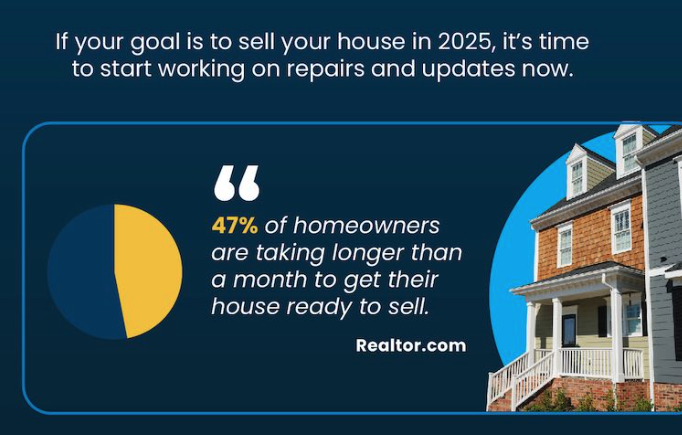
Work with a local agent to price your home competitively, stage it well, and time your listing for spring, when buyer demand peaks. Be ready for more competition as inventory grows.
5. Could a housing market crash happen by 2029?
Experts say a crash like 2008 is unlikely due to stricter lending standards and low foreclosure rates. While some regions might see price dips, strong demand and limited supply should prevent a collapse.

If you're in the market for a home, you can trust the experienced professionals at eXp Realty of California. We are dedicated to providing superior service and expertise to help you achieve your real ....
Short sales, South Placer market trends, mortgage rates, ranch property and three featured homes.ALEX DYER | REAL ESTATEPLACER & SACRAMENTO COUNTIES · SEPTEMBER 24, 2026This week's market
Sacramento Housing Market • Distressed Property ReportSacramento Short Sales Are Rising in 2026 — Here’s What the Numbers Really ShowShort sales are showing up again nationally and
Weekly Market Report · South Placer CountyRoseville, Rocklin & Lincoln Real Estate Market ReportWeek of September 17 – 23, 2026 · Prepared by Alex Dyer, Your
Living in Placer CountySearch land and ranch listings Book a callLand & Ranch Guide, September 2026How Much Acreage Do You Need? Sizing Your Dream Ranch PropertyStart with the life you want, not
Additional:
915 Highland Pointe Dr. Ste 250Should you require assistance in navigating our website or searching for real estate, please contact our offices at 916-318-3487.
CA License # 01239383

 All measurements and all calculations of area are approximate. Information provided by Seller/Other sources, not verified by Broker. All interested persons should independently verify accuracy of information. Provided properties may or may not be listed by the office/agent presenting the information. Data maintained by MetroList© may not reflect all real estate activity in the market.
All real estate content on this site is subject to the Federal Fair Housing Act of 1968, as amended, which makes it illegal to advertise any preference, limitation or discrimination because of race, color, religion, sex, handicap, family status or national origin or an intention to make any such preference, limitation or discrimination.
MetroList CA data last updated: September 26, 2026 5:32 AM UTC Terms of Use.
Vendor data provided by Inside Real Estate, LLC.
All measurements and all calculations of area are approximate. Information provided by Seller/Other sources, not verified by Broker. All interested persons should independently verify accuracy of information. Provided properties may or may not be listed by the office/agent presenting the information. Data maintained by MetroList© may not reflect all real estate activity in the market.
All real estate content on this site is subject to the Federal Fair Housing Act of 1968, as amended, which makes it illegal to advertise any preference, limitation or discrimination because of race, color, religion, sex, handicap, family status or national origin or an intention to make any such preference, limitation or discrimination.
MetroList CA data last updated: September 26, 2026 5:32 AM UTC Terms of Use.
Vendor data provided by Inside Real Estate, LLC.
